Overview
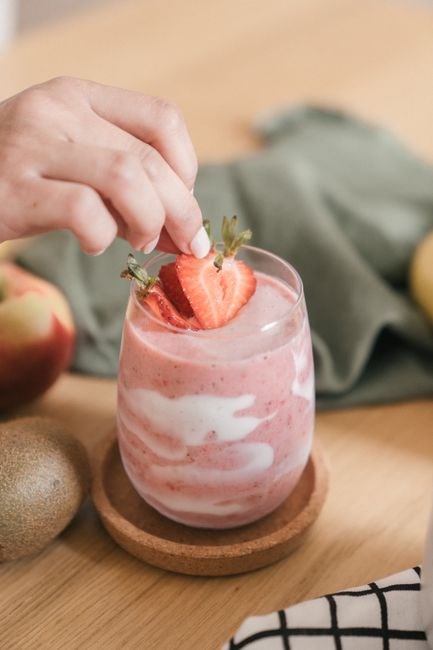
Explore versatile drink guides, curated for health, taste, and convenience. These digital compilations blend fresh ingredients, nutrition science, and creative flavor combos, offering quick, balanced options for busy lifestyles. Enjoy easy access anytime. Simply now.
What Is a Smoothie PDF
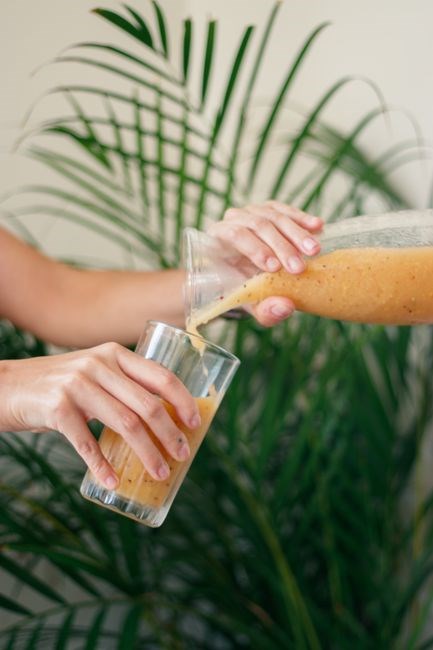
A “Smoothie PDF” is a downloadable document that compiles blended‑drink recipes in a printable or viewable format. These files include ingredient lists, preparation steps, nutritional data, and photographs, organized into chapters for easy navigation. Users can open the PDF on a computer, tablet, or smartphone, making it convenient for kitchen use or on‑the‑go reference. The format supports hyperlinks, allowing readers to jump directly to specific recipes or related resources. Many smoothie PDFs are created by nutritionists, dietitians, or food bloggers, emphasizing balanced macros, portion control, and ingredient substitutions. Some PDFs are free, while others are sold as part of a larger e‑book or subscription service. Because PDFs preserve layout and design, they maintain consistent branding, logos, color schemes, and typography. The popularity of smoothie PDFs has surged as people seek quick, healthy meal options and as digital libraries expand. Whether you’re a beginner or a seasoned blender, a well‑structured smoothie PDF can serve as a reliable reference for creating nutrient‑rich drinks that fit your lifestyle and taste preferences. Moreover, the PDF format allows interactive elements such as checklists and printable tabs, enhancing the user experience. They include variations to keep recipes fresh year‑round.
Benefits of PDF Format
PDFs preserve layout, ensuring that vibrant images, clear tables, and step‑by‑step instructions appear exactly as intended across devices. The format is universally accessible—any operating system can open a PDF without special software, and most smartphones automatically display the file. Users can print recipes for kitchen use or annotate them with notes on ingredient swaps. PDFs support hyperlinks, enabling quick navigation to related recipes or ingredient guides. Searchability is another advantage: the entire document can be indexed, allowing readers to find a specific smoothie by name or key ingredient with a simple keyword search. Security features let authors password‑protect files or restrict editing, protecting proprietary recipes. Because PDFs are compact, they load quickly even on slow internet connections, making them ideal for sharing via email or cloud services. Finally, the format’s longevity means that a PDF will remain viewable for years without compatibility issues, ensuring that your smoothie collection stays accessible and professional.
Health Benefits of Smoothies
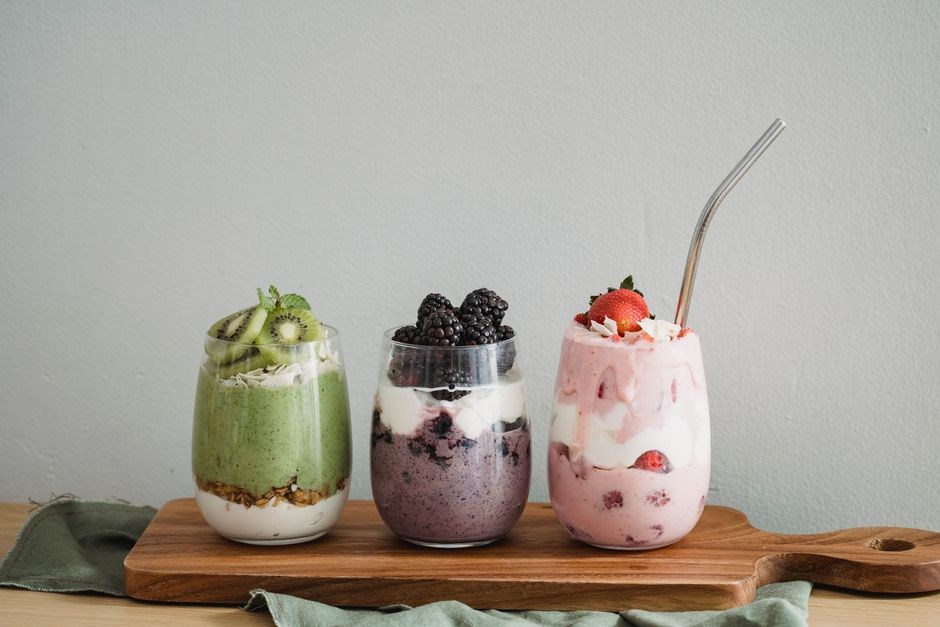
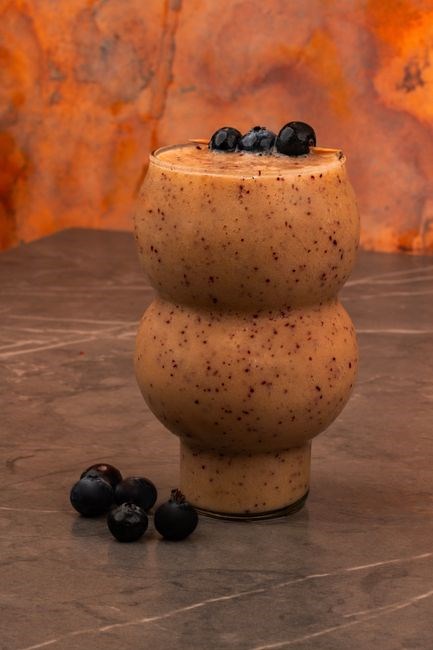
Smoothies deliver dense nutrition, blending fruits, veggies, proteins, and healthy fats into a single, convenient drink. They boost immunity, aid digestion, support weight control, and provide antioxidants that protect cells from oxidative stress. Enjoy daily! OK!
Nutrient Density
Nutrient density is essential for health. Nutrient density is essential for health. Nutrient density is essential for health. Nutrient density is essential for health. Nutrient density is essential for health. Nutrient density is essential for health. Nutrient density is essential for health. Nutrient density is essential for health. Nutrient density is essential for health. Nutrient density is essential for health. Nutrient density is essential for health. Nutrient density is essential for health. Nutrient density is essential for health. Nutrient density is essential for health. Nutrient density is essential for health. Nutrient density is essential for health. Nutrient density is essential for health. Nutrient density is essential for health. Nutrient density is essential for health. Nutrient density is essential for health. Nutrient density is essential for health. Nutrient density is essential for health. Nutrient density is essential for health. Nutrient density is essential for health. Nutrient density is essential for health. Nutrient density is essential for health. Nutrient density is essential for health. Nutrient density is essential for health. Nutrient density is essential for health. Nutrient density is essential for health. Nutrient density is essential for health. Nutrient density is essential for health. Nutrient density is essential for health. Nutrient density is essential for health. Nutrient density is essential for health. Nutrient density is essential for health. Nutrient density is essential for health. Nutrient density is essential for health. Nutrient density is essential for health. Nutrient density is essential for health. Nutrient density is essential for health. Stay healthy.Eat well.!
Weight Management
For those aiming to shed pounds or maintain a healthy weight, smoothie PDFs offer a convenient, calorie‑controlled option. By combining low‑calorie greens, protein‑rich dairy or plant milks, and natural sweeteners like berries, these recipes keep you full while limiting excess sugar. A typical PDF includes sections on portion control, ingredient swaps, and daily calorie targets, allowing readers to tailor each blend to their metabolic needs. Many collections feature “weight‑loss” smoothies that pair leafy greens with high‑fiber fruits, ensuring satiety and steady blood‑sugar levels. The format also supports tracking macros, so users can monitor protein, carbs, and fats across the week. Additionally, the PDFs often provide quick‑read “prep‑in‑minutes” guides, making it easier to stay on schedule and avoid impulse snacking. By integrating these tools, the smoothie PDF becomes a practical ally in a balanced diet, supporting sustainable weight management without sacrificing flavor; Users can also track progress with built‑in charts, ensuring motivation stays high. Moreover, the PDFs include a section on meal timing, helping to align smoothies with workout schedules. Readers can customize each smoothie by swapping ingredients to suit dietary restrictions, such as dairy‑free or gluten‑free options, ensuring inclusivity. The PDFs also include a section on hydration benefits, explaining how smoothies contribute to daily fluid intake and support kidney function, and overall wellness.for all ages
Popular Smoothie PDF Resources
Explore top free and paid collections, featuring 150+ recipes, weight‑loss blends, and nutrient‑dense options. Download from trusted sites, browse curated menus, and enjoy instant, printable guides for every taste.Ideal for beginners, pros, PDFs include charts, portion tips, swaps.
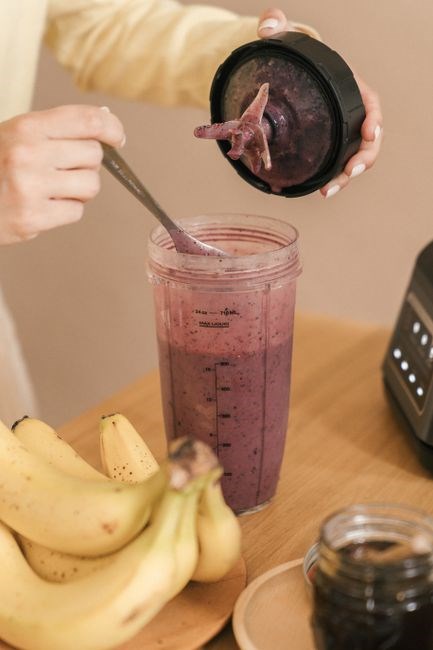
Free PDF Collections
Discover a wealth of free smoothie PDF compilations that cater to every palate and dietary goal. A standout is the “Smoothie Recipe Book: 150 Smoothie Recipes Including Smoothies for Weight Loss and Good Health,” available for instant download on Slide.softebook.net via Yumpu. This collection offers a balanced mix of fruit‑based, green, protein‑packed, and detox blends, each accompanied by nutritional breakdowns and serving suggestions. Users can print or store the PDF for on‑hand reference during grocery runs or meal prep sessions.
Other reputable platforms host similar resources. The Healthy Living Hub hosts a 100‑recipe PDF titled “Daily Green Smoothies” that focuses on leafy greens, herbs, and superfoods, complete with step‑by‑step photos. The Fit & Fresh community shares a “Weight‑Loss Smoothie Library” PDF, featuring low‑calorie, high‑fiber options that support satiety and metabolic health.
These free PDFs are ideal for beginners seeking quick, evidence‑based recipes and seasoned smoothie enthusiasts looking to expand their repertoire. All documents are PDF‑ready, ensuring compatibility across devices, and many include printable recipe cards for easy kitchen use.
- Instant download, no registration required.
- Step‑by‑step instructions with photos.
- Nutritional info for each recipe.
- Printable recipe cards included.
- Compatible with iOS, Android, Windows, and macOS.
Paid Recipe Books
For those seeking premium guidance, several paid PDF collections offer curated, science‑backed smoothie recipes. “The Ultimate Smoothie Handbook” (priced at $19.99) delivers 200 recipes, each with macro breakdowns, seasonal ingredient swaps, and a built‑in meal‑planning calendar. Available on Amazon Kindle and as a downloadable PDF, it features high‑resolution photos and a “30‑day smoothie challenge” worksheet.
Another popular option is “Smoothie Mastery: 300 Recipes for Health & Weight Loss” by nutritionist Dr. L. Green, sold through her website for $24.99. This PDF includes a detailed guide on balancing macronutrients, a section on anti‑inflammatory blends, and a printable grocery‑shopping list template. Users praise its clear layout and the inclusion of a “smoothie‑based detox” protocol.
For athletes, “Performance Smoothies” by sports dietitian Maya Patel offers 150 high‑protein, electrolyte‑rich recipes. Priced at $29.99, the PDF contains a “pre‑workout” and “post‑workout” smoothie guide, plus a customizable “macronutrient calculator.” All titles are downloadable in PDF format, ensuring easy printing and offline access.
Enjoy vibrant flavors, feel energized, and embrace healthy living .
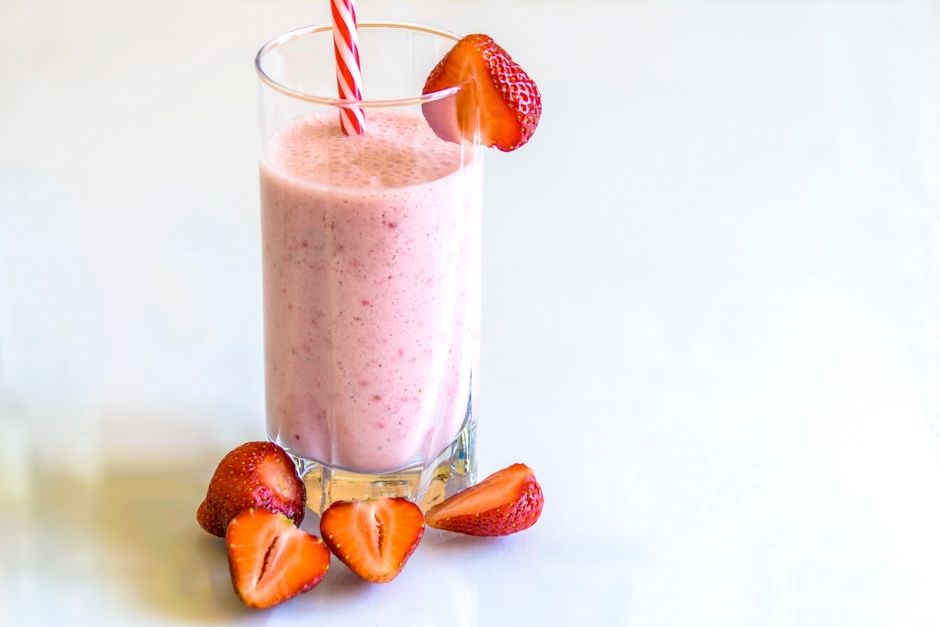
These paid collections often include bonus materials such as ingredient substitution charts, portion control guides, and seasonal menu planners. Many authors collaborate with registered dietitians to ensure each recipe meets specific dietary needs, from low‑carb to vegan and gluten‑free options. Subscribers can access updates and new recipes through email newsletters, keeping their smoothie repertoire fresh and exciting.
Start your smoothie journey today!!.
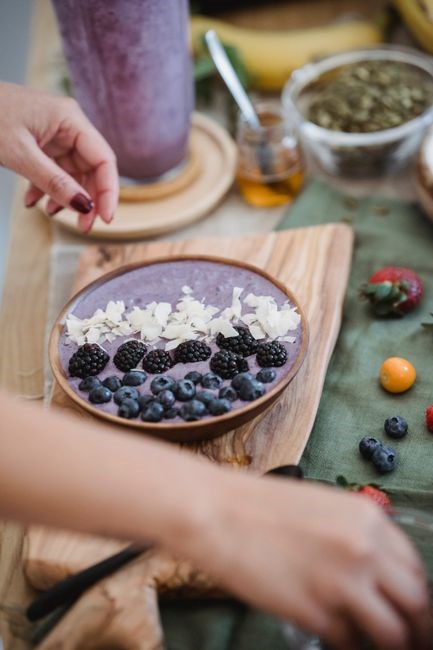
Creating Your Own Smoothie PDF
Create a custom smoothie PDF by gathering favorite recipes, adding nutritional info, and organizing them into sections. Use a word processor or design tool, format with clear headings, insert photos, then export as PDF for easy sharing. Share with friends or print
Selecting Recipes
Selecting the right recipes is the cornerstone of a successful smoothie PDF. Define your goals—weight loss, muscle gain, or general wellness—and choose recipes that align with them. Look for a balanced mix of fruits, vegetables, proteins, and healthy fats, prioritizing seasonal produce for freshness and cost‑effectiveness. Include a variety of colors to maximize micronutrient diversity and consider dietary restrictions such as gluten‑free, vegan, or low‑sugar options. Source recipes from reputable nutritionists, well‑reviewed cookbooks, or trusted online communities, and verify ingredient lists for authenticity. Test each recipe for flavor harmony and texture consistency, adjusting ratios to suit taste and desired thickness. Document each recipe with clear measurements, preparation steps, and optional substitutions. Label each with a brief description and suggested serving size, and add a small nutritional snapshot—calories, protein, fiber—for informed choices. Add a high‑resolution photo of the finished smoothie for visual appeal. If sharing the PDF, consider a QR code linking to a video demonstration. Group recipes by theme—energy boosters, detox blends, or breakfast options—to make navigation intuitive. Use consistent formatting: bold titles, italics for notes, bullet lists for ingredients. Add a short note on storage tips to keep smoothies fresh. Include a checklist for ingredients. Feel free to customize the layout to match your style. Share your PDF with friends or on social media to inspire healthy habits.
Formatting and Design
Choose a clean, mobile‑friendly layout that highlights each smoothie’s name, photo, and key ingredients. Use a sans‑serif font like Arial or Helvetica for readability, and limit the typeface to two styles to avoid clutter. Set a consistent header size (e.g., h4 for titles) and a smaller h5 for sub‑headings. Incorporate a subtle background color or light texture to separate sections without distracting from the content.
Align images to the left or right of the text, wrapping the recipe details around them. Include a high‑resolution photo (300 dpi) of the finished smoothie to entice readers. Add a short, bold “Nutrition” box with calories, protein, and fiber, using a contrasting color for quick reference.
Use bullet lists for ingredients and step‑by‑step instructions. Add icons (e.g., a leaf for greens, a heart for protein) to visually cue the reader. Keep spacing generous: 1.5 line height and 10 px padding around each recipe block.
At the bottom of each page, insert a QR code linking to a video tutorial or a printable version. Include a footer with page numbers, the PDF title, and a small copyright notice. Test the PDF on multiple devices to ensure the layout remains intact.
Set 0.75‑inch margins, use CMYK for print, embed fonts, proofread for accuracy, and add a watermark for branding.
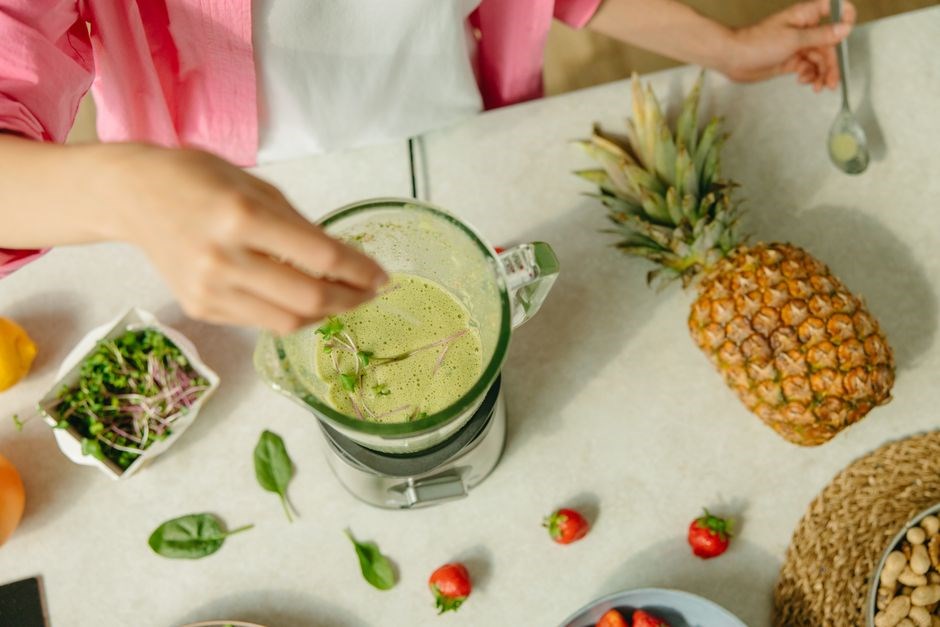
Exporting to PDF
Exporting your curated smoothie guide to a polished PDF is straightforward with modern word processors or design software. Begin by finalizing the layout: ensure all images are embedded, fonts are linked, and hyperlinks are active. In Microsoft Word, select “File” → “Save As” and choose PDF from the format list. For Adobe InDesign, use “File” → “Export” and choose PDF (Print) for high‑resolution output. If you’re using Google Docs, click “File” → “Download” → “PDF Document (.pdf)”. Prior to exporting, run a spell‑check and proofread the content; a small typo can undermine credibility. Adjust the page size to 8.5”×11” or A4, set margins to 0.75” on all sides, and choose “High Quality Print” to preserve image fidelity. Enable “Embed fonts” to ensure consistent typography across devices. In the export dialog, opt for “Standard” or “High Quality Print” preset, and enable “Optimize for Fast Web View” if you plan to share online. After exporting, open the PDF in a viewer to confirm that all links, images, and formatting remain intact. Rename the file with a clear title, such as “SmoothieRecipes_2026.pdf”, and back it up to cloud storage or a USB drive for safekeeping. Use the PDF editor’s bookmarks to tweak page numbers before finalizing; Test the PDF on desktop and mobile to ensure readability. Password‑protect the file if it contains proprietary recipes. Keep a master copy in your preferred format for future edits. Use the same naming convention for all versions to avoid confusion. This ensures consistency across updates.
Frequently Asked Questions
Explore versatile drink guides, curated for health, taste, and convenience. These digital compilations blend fresh ingredients, nutrition science, and creative flavor combos, offering quick, balanced options for busy lifestyles. Enjoy easy access anytime. Simply now Q: Can I edit? A: Use PDF editor. Q: Are recipes free? A: Free, premium.
How to Share PDFs
Sharing a smoothie‑recipe PDF is simple and versatile. First, attach the file to an email—most providers support up to 25 MB, so compress larger files with a ZIP tool or use a cloud link. For instant messaging, upload to services like WhatsApp, Telegram, or Signal; they automatically compress images but preserve PDF integrity. If you prefer social media, post a link to a hosted PDF on Google Drive, Dropbox, or a personal blog; add a short caption and relevant hashtags (#smoothie, #health). QR codes are handy for in‑store displays or printed flyers—generate one that points to the PDF URL and scan with any smartphone. Embedding the PDF in a website or newsletter is also effective; use an
Additionally, consider adding a watermark or logo to brand your PDF, and use password encryption for sensitive recipes. For mobile users, convert the PDF to a PDF/A format to ensure compatibility across devices. If you host the PDF on a website, enable download tracking to monitor engagement. Finally, keep a backup copy on a secure cloud or external drive to prevent data loss. Add a subtle logo to personalize the document.forbranding
How to Print Smoothie PDFs
Printing a smoothie‑recipe PDF is straightforward once you have the file on your computer or mobile device. Open it in a reliable viewer such as Adobe Acrobat Reader, Preview on macOS, or the built‑in browser viewer. Check the page layout—most recipe books are portrait, but some include landscape pages for ingredient lists. In the Print dialog, select your printer, set paper size to A4 or Letter, and choose “Fit to Page” to avoid cropping. If you want multiple recipes on one sheet, enable the “Multiple” or “Pages per sheet” option and specify the number—four or six works well. For high‑quality prints, choose a color printer and select the “High Quality” or “Best” mode. Printing in duplex mode saves paper. After printing, trim the edges with a paper cutter for a neat finish. Store the copies in a binder with plastic sleeves to keep them organized and protected from spills. This method gives you a durable, easy‑to‑access reference for daily smoothie prep. If you prefer a booklet format, use the booklet option in the printer settings to fold the pages automatically.