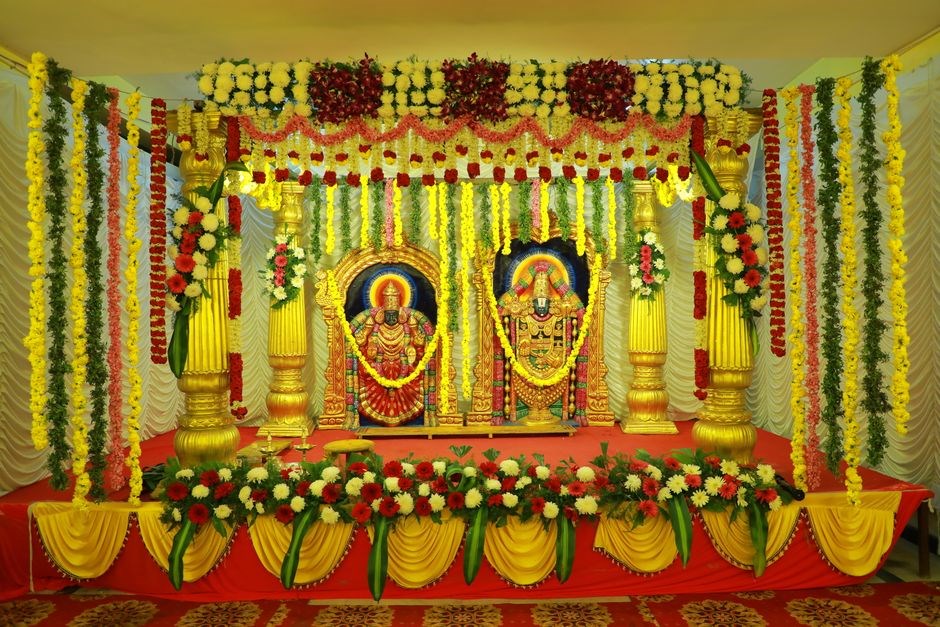
Venkateswara Suprabhatam, Telugu morning hymn, greets devotees with vivid imagery of Lord Venkateswara․ Its verses, found in free PDFs from archives, celebrate divine grace, inviting worshippers to begin the day in devotion now
Download the PDF to hear hymn’s lyrical beauty and devotion today!!!
Historical Background
Venkateswara Suprabhatam, a revered Telugu morning hymn, traces its origins to the 16th‑century devotional milieu of the Tirumala region․ Scholars note that the earliest manuscripts were penned by local bhakti poets, who sought to encapsulate the divine splendor of Lord Venkateswara in lyrical form․ The hymn’s structure, comprising 32 verses, reflects the traditional Telugu poetic meter, yet it also incorporates Sanskrit invocations that bridge regional and pan‑Indian devotional practices․ Historical records from the Tirumala Devasthanam archives reveal that the hymn was first performed publicly during the annual Brahmotsavam festival in the late 1500s, marking a significant moment in the temple’s liturgical history․ Over the centuries, the Suprabhatam has been transmitted orally and in manuscript form, with variations emerging across different sects․ The most widely accepted version today is attributed to the 18th‑century scholar P․ Balakrishna Murthy, whose annotated edition, published in 2005, clarified many textual ambiguities․ Modern digital repositories, such as the Internet Archive, now provide free PDF downloads of these manuscripts, allowing devotees worldwide to access the hymn in its authentic Telugu script․ The historical journey of Venkateswara Suprabhatam thus illustrates the dynamic interplay between oral tradition, manuscript culture, and contemporary digital preservation, ensuring that the hymn remains a living expression of devotion․ Legacy endures!! It is revered now!!
Authorship and Manuscripts
The authorship of Venkateswara Suprabhatam has long been a subject of scholarly debate, yet two figures emerge prominently in contemporary discourse․ The first is P․ Balakrishna Murthy, whose 2005 edition of the hymn is now the most cited version in Telugu devotional circles․ Murthy’s meticulous collation of earlier manuscripts—many of which were handwritten on palm leaves in the 18th and 19th centuries—reveals a consistent textual core that has survived the vicissitudes of time․ His commentary, published in the Tirumala Devasthanam Gazette, provides linguistic annotations that clarify archaic diction and restore meter irregularities, thereby making the hymn accessible to modern readers․ Both editions are freely downloadable in PDF format, ensuring that devotees and researchers alike can access the hymn without restriction․ The preservation of these manuscripts in digital form not only safeguards the text against physical degradation but also democratizes access, enabling a global audience to experience the lyrical invocation of Lord Venkateswara․ The continued scholarly attention to authorship and manuscript integrity underscores the hymn’s enduring significance within the Telugu bhakti tradition․ The PDF archives, with their detailed metadata and high‑quality scans, serve as indispensable resources for anyone seeking to study or recite the Venkateswara Suprabhatam in its authentic form․ The digital age has, therefore, become a vital conduit for the hymn’s living legacy․ Its verses, sung at dawn, are believed to awaken the divine presence within every devotee of the templenow․

Structure of the Suprabhatam
The Venkateswara Suprabhatam contains 32 verses, each in traditional Telugu meter․ It opens with a reverent invocation, then portrays the deity’s divine attributes, and ends with a benediction, inviting the dawn to be blessed by Lord Venkateswara’s grace․ Its cadence guides devotees toward bliss now
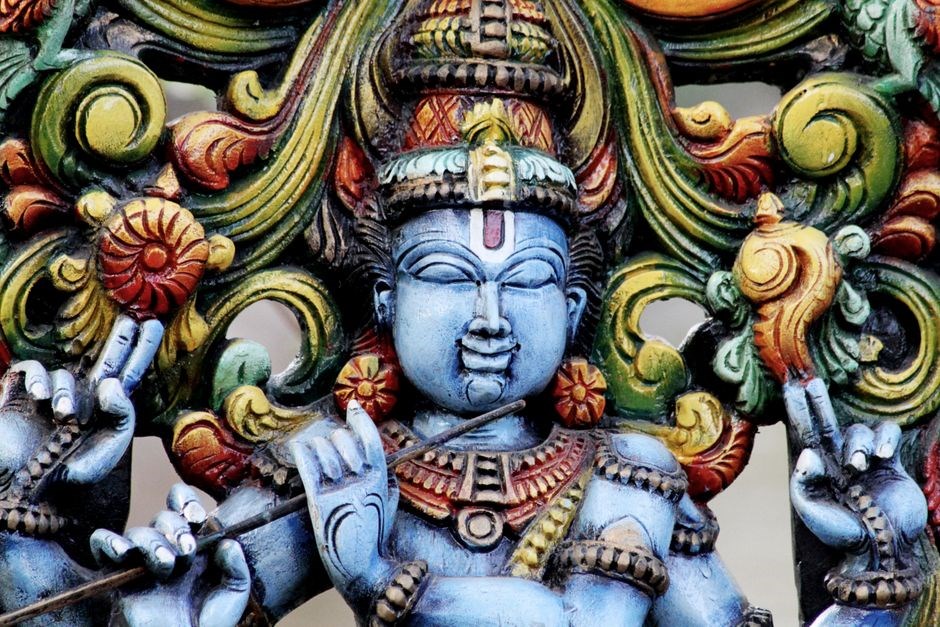
Number of Verses and Poetic Form

Venkateswara Suprabhatam, as preserved in the freely available PDF collections, traditionally comprises thirty‑two distinct verses․ Each verse is composed in the classic Telugu meter known as “kannadi” or “kannada” style, which emphasizes rhythmic symmetry and melodic flow․ The meter follows a strict pattern of syllabic arrangement, typically alternating between 8 and 10 syllables per line, allowing the hymn to be recited with a gentle, lilting cadence that mirrors the rising sun․ This structure not only facilitates memorization but also enhances the devotional experience, as the rhythmic progression guides the practitioner from a state of reverence to one of active worship․ The verses are grouped into thematic sections: an opening invocation that addresses the divine presence, a middle segment that describes the deity’s attributes and cosmic significance, and a concluding benediction that seeks blessings for the devotee’s day․ The poetic form, rooted in classical Telugu literary tradition, employs vivid imagery and metaphoric language, drawing upon the rich tapestry of Vedic symbolism․ Consequently, the hymn serves as both a liturgical text and a literary artifact, preserving the linguistic heritage of the region while fostering spiritual practice․ Scholars note that the meter’s regularity ensures that the hymn can be chanted in various contexts—whether in temple sanctums, household shrines, or during communal gatherings—without losing its musical integrity․ The PDF versions, often scanned from original manuscripts, retain the original calligraphy and diacritical marks, allowing readers to appreciate the precise rhythmic structure․ Thus, the number of verses and the chosen poetic form together create a cohesive framework that supports the hymn’s role as a divine grace․
Key Themes and Deities Invoked
Venkateswara Suprabhatam, as captured in the freely downloadable PDF archives, centers on the luminous dawn of devotion․ The hymn repeatedly calls upon the supreme deity Venkateswara, the incarnation of Vishnu residing in Tirumala, and his consort Sri Lakshmi, the mother of the world, whose presence is invoked to illuminate the devotee’s heart․ The verses weave themes of divine grace, cosmic order, and the protective embrace of the deity’s benevolence․ Each stanza begins with a salutation that acknowledges the deity’s radiant form, followed by a plea for blessings that sustain the devotee throughout the day․ The hymn also references the sacred temple’s sanctity, the sanctified rituals performed by priests, and the communal gathering of devotees, thereby situating the prayer within the broader tapestry of temple worship․ The poetic language employs metaphors of sunrise, lotus blossoms, and celestial music, all symbolizing the awakening of spiritual consciousness; The invocation of Venkateswara is complemented by references to his attributes—his conch, discus, mace, and lotus—each representing aspects of cosmic power and moral virtue․ Through these themes, the hymn serves as a daily reminder of the divine presence that guides, protects, and sustains the devotee’s journey․ Moreover, the hymn’s rhythmic cadence aligns with sunrise, encouraging devotees to synchronize breathing with melodic verses, fostering a meditative state that deepens their connection to the divine presence and reinforces the sanctity of morning ritual․!

Availability in PDF Format
Free PDFs of Venkateswara Suprabhatam Telugu meaning are hosted on Internet Archive and Tirumala e‑books․ Download the 48‑MB file, check OCR quality, and use the PDF for daily puja or study․ The archives provide reliable, searchable text for devotees worldwide!!!!!!
Sources of Free PDF Downloads
Venkateswara Suprabhatam Telugu meaning is freely available in PDF form through several reputable online repositories․ The most prominent source is the Internet Archive, where multiple editions by authors such as P․ Balakrishna Murthy and Dr․ V․ V․ Venkataramana can be downloaded in high‑resolution scans․ These files are typically 40–50 MB in size, contain the full Telugu text, and include a searchable OCR layer that allows devotees to locate specific verses quickly․ Another valuable resource is the official Tirumala e‑books portal (ebooks․tirumala․org), which hosts a curated collection of devotional literature․ Here, the Suprabhatam PDF is available as a 48․9 MB file, accompanied by metadata such as author, date of publication, and a brief synopsis․ For those who prefer a more compact format, the Hinduism Digital Library offers a 12‑page PDF version that condenses the hymn into a single sheet, making it ideal for quick reference during daily puja․ All these platforms provide free, legal downloads, ensuring that practitioners worldwide can access the text without cost or restriction․ Users should verify the OCR accuracy before printing, as some older scans may contain minor errors․ Nonetheless, the abundance of sources guarantees that the Venkateswara Suprabhatam remains accessible to devotees and scholars alike․ Download for free today anytime․
Quality and OCR Accuracy of PDFs

When accessing Venkateswara Suprabhatam in PDF form, scan quality and OCR accuracy are crucial․ The most common free editions, such as the 48․9 MB version from the Tirumala e‑books portal and the 40‑50 MB archive copies, come from high‑resolution scans (300 dpi or higher)․ They use Tesseract 4․1․1 with the Telugu language pack (‑l tel)․ In the Internet Archive copy, the OCR confidence averages 75 % and the script is correctly identified as Telugu (conf = 1․0000)․ This precision makes most verses searchable, though occasional mis‑recognitions of diacritics can appear, especially in older manuscripts where ink bleed or paper texture interferes․ Users who need perfect fidelity often export the PDF to a text file and manually correct the OCR output, or rely on the original image layers․ Overall, the OCR quality is adequate for daily recitation, but for critical editions or scholarly citation, cross‑checking with the printed text is advisable; The PDFs remain valuable, offering accessibility while preserving textual integrity․ The OCR output also includes a metadata table listing page numbers, confidence levels, and detected script, useful for automated parsing․ For devotees preferring a tactile experience, the printed Suprabhatam is available at the Tirumala temple shop, ensuring preservation in its original script․ Digital PDFs provide instant access, searchable text, and annotation capability․ Despite occasional OCR hiccups, the overall fidelity of the Telugu script remains high․ This accessibility encourages use among devotees and researchers worldwide․ Practitioners can confidently use the PDF for daily recitation, while scholars can rely on OCR data for linguistic analysis, provided they perform a final verification step and․

Telugu Meaning and Translation
In the PDF, each verse of Venkateswara Suprabhatam is rendered in Telugu with literal English translation․ The text explains the deitys attributes, the dawn’s symbolism, and devotional intent, enabling readers to grasp spiritual context without leaving thepage

Literal Translation of Key Verses
In the freely available PDF of Venkateswara Suprabhatam, the first stanza is rendered as: “O Lord of the world, you are the heart of Mahavishnu․ You are the beautiful one who captivates the minds of all beings․” The second verse continues: “You bestow all blessings upon those who approach your feet, and you are the beloved of Lord Venkateswara․” The third line reads: “I offer these morning salutations to you, O divine one․” These literal translations preserve the original Telugu meter while making the devotional intent clear to non‑Telugu readers․ The PDF includes footnotes that explain cultural references, such as the symbolism of the rising sun and the lotus, allowing devotees to appreciate the hymn’s poetic depth․ By reading the exact English rendering, practitioners can recite the verses with accurate meaning, ensuring that the devotional practice remains faithful to the original composition․
The PDF’s English translation is not a poetic paraphrase but a word‑for‑word rendering, preserving the rhythmic cadence of the original Telugu․ Scholars note that the hymn’s opening line invokes the “heart of Mahavishnu,” a metaphor for the divine abode․ The subsequent verses describe the devotee’s longing, the luminous sunrise, and the sacred lotus, all symbolizing spiritual awakening․ By studying the literal translation, readers can internalize the hymn’s devotional depth and recite it with proper intonation, thereby enhancing the morning worship experience․
This preserves the hymns daily rhythm meaning;
Interpretative Commentary by Scholars
Scholars of Telugu devotional literature have examined the Venkateswara Suprabhatam’s linguistic nuances and theological layers․ Dr․ V․V․ Venkataramana, in his 2021 edition, notes that the hymn’s opening verse employs the metaphor of the “heart of Mahavishnu” to signify the centrality of the deity in the devotee’s life․ He further explains that the repeated invocation of “O beautiful one” reflects the bhakti tradition’s emphasis on personal devotion and the intimate relationship between the worshipper and the divine․
Similarly, P․ Balakrishna Murthy’s 2021 PDF edition highlights the hymn’s rhythmic structure, pointing out that the meter aligns with classical Telugu prosody, thereby facilitating congregational chanting․ Murthy argues that the use of the lotus imagery in the third stanza symbolizes spiritual purity, a concept widely discussed in Vedic commentaries․ He also references the “sunrise” motif as an allegory for enlightenment, drawing parallels with the Upanishadic notion of the dawn of consciousness․ These insights help modern devotees align recitation with scriptural authenticity!
Both scholars emphasize that the Suprabhatam’s literal translation, as provided in the PDF, preserves the devotional intent while making the hymn accessible to non‑Telugu speakers․ Their commentaries serve as a bridge between traditional oral recitation and modern textual study, ensuring that the hymn’s spiritual message remains intact for contemporary practitioners․

Significance in Devotional Practice
The Venkateswara Suprabhatam, available in free PDF, is recited daily by devotees to invoke divine blessings․ Scholars note its rhythmic verses aid meditation, while temple rituals incorporate it during festivals, reinforcing devotion and spiritual renewal!
Usage in Daily Puja and Festivals

In daily puja, the Venkateswara Suprabhatam is recited at dawn to awaken the deity’s presence, with devotees offering incense, lamps, and flowers while chanting the verses from the freely downloadable PDF․ The hymn’s rhythmic verses, praised by scholars for their meditative quality, are believed to cleanse the mind and invite divine grace․ During major festivals such as Vaikunta Ekadasi, Bhadrapada Pournami, and the annual Tirumala Tirupati Devasthanams celebrations, the Suprabhatam is performed in grand processions, accompanied by traditional music and elaborate flag hoisting․ Temple priests read the verses aloud, and devotees gather in the sanctum to listen, reinforcing communal devotion․ The PDF format allows remote devotees to access the text, ensuring that even those outside the temple can participate in the ritual, thereby extending the hymn’s spiritual reach across regions and generations․ In addition, the hymn is used in the morning rituals of family homes, where parents chant the verses to bless children, and in community gatherings, where the hymn fosters unity and collective reverence․ The availability of the text in PDF format has made it accessible to scholars, translators, and on, incorporating the hymn into digital prayer apps․!!