
Network security protects data‚ devices‚ and services from unauthorized access‚ disclosure‚ and disruption. For CompTIA Security+‚ fundamentals cover threat models‚ defense layers‚ and secure architecture. Understanding risk‚ policy‚ and controls is essential for certification success. and practice.!
Scope and Objectives of the CompTIA Security+ Exam
CompTIA Security+ is a globally recognized certification that validates foundational knowledge in network security‚ risk management‚ and operational security. The exam’s scope encompasses a broad spectrum of topics‚ from identifying threats and vulnerabilities to implementing secure network architectures. Candidates must demonstrate proficiency in securing network devices‚ configuring firewalls‚ and applying encryption protocols. Additionally‚ the exam covers incident response‚ business continuity‚ and compliance with regulatory frameworks such as GDPR‚ HIPAA‚ and PCI‑DSS. The objectives require understanding of threat vectors—including DDoS‚ MITM‚ and SQL injection—alongside defensive controls like IDS/IPS‚ SIEM‚ and zero‑trust principles. Candidates are also expected to analyze risk‚ perform vulnerability assessments‚ and develop mitigation strategies. The exam emphasizes practical skills‚ requiring hands‑on scenarios that test configuration‚ troubleshooting‚ and policy implementation. By mastering these objectives‚ professionals can secure networks‚ protect sensitive data‚ and align security practices with organizational goals. Exam candidates must also be adept at evaluating emerging threats such as ransomware‑as‑a‑service‚ supply‑chain attacks‚ and zero‑day exploits‚ and must apply layered defense strategies that integrate endpoint protection‚ network segmentation‚ and continuous monitoring to maintain resilience against evolving adversarial tactics. These skills enable professionals to adapt policies‚enforce controls protect network layers.

Network Architecture and Models
Network architecture defines how devices interconnect‚ ensuring data flows securely. Models such as OSI and TCP/IP outline layers for troubleshooting and security controls. Understanding these frameworks helps design resilient‚ segmented networks that isolate threats and enforce policies. Add crypto!?
OSI and TCP/IP Models in Security Context
Security professionals rely on the OSI and TCP/IP models to map vulnerabilities to specific layers and to design controls that mitigate threats. The OSI model‚ with its seven layers—physical‚ data link‚ network‚ transport‚ session‚ presentation‚ and application—provides a conceptual framework that helps analysts isolate problems and apply defense mechanisms such as firewalls‚ IDS/IPS‚ and encryption at the appropriate stage. The TCP/IP model‚ more pragmatic for modern networks‚ condenses the layers into link‚ internet‚ transport‚ and application‚ aligning closely with the OSI’s functional groups. Understanding how protocols like Ethernet‚ IP‚ TCP‚ UDP‚ HTTP‚ and DNS operate within these layers allows security teams to identify weaknesses such as spoofing‚ fragmentation‚ or port scanning. By mapping attack vectors to the OSI/TCP‑IP layers‚ exam candidates can demonstrate knowledge of how to implement segmentation‚ secure routing‚ and application‑layer filtering. Additionally‚ the models guide the selection of security technologies: for example‚ VPNs typically operate at the network or transport layer‚ while SSL/TLS functions at the presentation or application layer. The dual‑model perspective ensures security solutions are layered‚ redundant‚ and resilient‚ a core principle in the CompTIA Security+ curriculum. In practice‚ the OSI model is usedfor troubleshooting and training‚while the TCP/IP model underpins network device configuration. Security analysts must be fluent in both to map attack paths‚ perform risk assessments‚ and document controls.

Threats and Vulnerabilities
CompTIA Security+ focuses on identifying network weaknesses such as misconfigured firewalls‚ weak authentication‚ and unpatched software. Candidates learn to detect DDoS‚ MITM‚ and SQL injection attacks‚ and apply mitigation strategies like segmentation‚ encryption‚ and patch management. Secure. Now.
Common Network Attacks (DDoS‚ MITM‚ SQL Injection)
Distributed Den‑of‑Service (DDoS) attacks flood a target with traffic from multiple compromised hosts‚ exhausting bandwidth or server resources. CompTIA Security+ emphasizes recognizing volumetric‚ protocol‚ and application‑layer DDoS signatures and applying mitigation techniques such as rate limiting‚ traffic scrubbing‚ and cloud‑based DDoS protection services. Man‑in‑the‑Middle (MITM) positions an attacker between two communicating parties‚ allowing eavesdropping‚ credential theft‚ or data manipulation. Prevention relies on end‑to‑end encryption (TLS/SSL)‚ mutual authentication‚ secure key exchange‚ and network segmentation to limit the attack surface. SQL Injection exploits input validation flaws in web applications‚ inserting malicious SQL code that can read‚ modify‚ or delete database contents. Defensive measures include parameterized queries‚ stored procedures‚ strict input sanitization‚ and least‑privilege database accounts. Security professionals must detect these attacks through signature‑based IDS/IPS‚ anomaly detection‚ and continuous monitoring‚ and respond with incident‑response playbooks‚ patching‚ and user education to mitigate risk.
To defend against these threats‚ organizations deploy layered security controls: firewalls to filter inbound/outbound traffic‚ IDS/IPS to detect malicious patterns‚ and DDoS mitigation appliances that absorb traffic spikes. Network segmentation isolates critical assets‚ reducing lateral movement. Regular patching eliminates known vulnerabilities that attackers exploit. Security awareness training teaches users to recognize phishing attempts that can lead to credential compromise. Automated monitoring and alerting enable rapid incident response‚ while forensic analysis preserves evidence for post‑incident review. By integrating these measures‚ a security posture resilient to DDoS‚ MITM‚ and SQL Injection attacks is achievable‚ aligning with CompTIA Security+ objectives and industry best practices!!

Network Defense Mechanisms
Firewalls filter traffic‚ IDS/IPS detect anomalies‚ SIEM aggregates logs for correlation. Layered defense‚ segmentation‚ and zero‑trust principles reduce exposure. Regular updates‚ patch management‚ and security monitoring are essential for resilient networks. Fast detection secures assets today!.
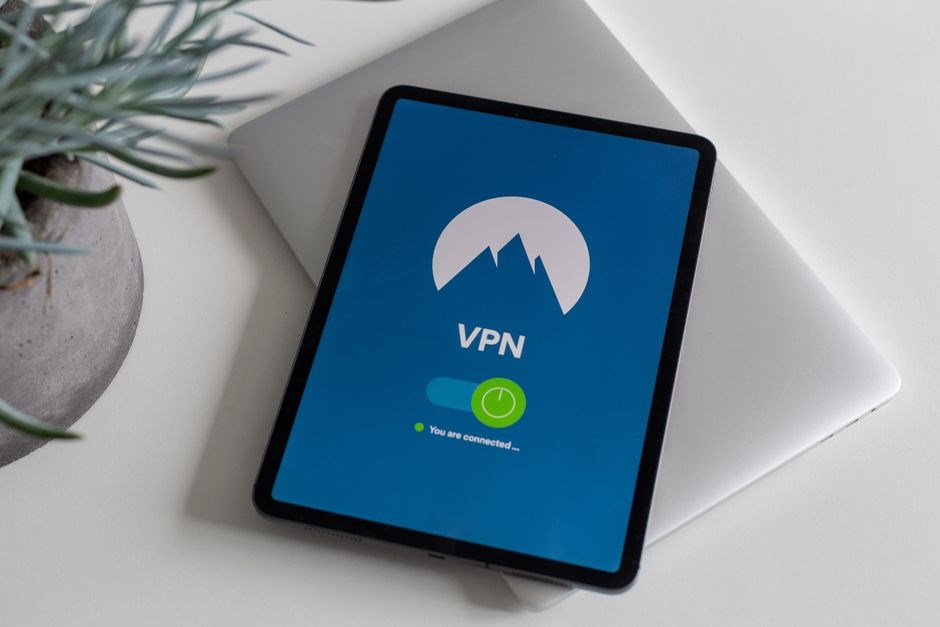
Firewalls‚ IDS/IPS‚ and SIEM Solutions
Firewalls remain the first line of defense‚ enforcing perimeter policies by inspecting packet headers and payloads against rule sets. Stateful inspection tracks connection states‚ while application‑level gateways parse protocols such as HTTP‚ SMTP‚ and FTP to block malicious payloads. Next‚ Intrusion Detection Systems (IDS) perform passive traffic analysis‚ generating alerts for known signatures or anomalous behavior. Intrusion Prevention Systems (IPS) extend IDS by actively blocking traffic that matches threat patterns‚ often using deep packet inspection and behavioral heuristics. SIEM platforms aggregate logs from firewalls‚ IDS/IPS‚ routers‚ and endpoints‚ normalizing data into a central repository. Correlation engines apply rule sets and machine learning to surface incidents‚ prioritize alerts‚ and generate compliance reports. Effective SIEM deployment requires proper log forwarding‚ time synchronization‚ and retention policies. Together‚ these tools create a layered security posture that detects‚ prevents‚ and records network threats‚ enabling rapid incident response and forensic analysis.
Deploying these solutions demands careful configuration. Firewalls should be hardened by disabling unused services‚ applying least‑privilege rules‚ and enabling logging. IDS/IPS require signature updates and tuning to reduce false positives. SIEM ingestion pipelines must handle diverse log formats‚ and dashboards should be customized for operational roles. Continuous monitoring.

Secure Network Design Principles
Designing secure networks relies on segmentation‚ least privilege‚ defense depth‚. Use VLANs‚ firewalls‚ and DMZs to isolate traffic; enforce zero‑trust by verifying every device and user. Regularly update firmware‚ patch systems‚ and monitor logs for anomalies!!!
Segmentation‚ Zero Trust‚ and DMZ Configuration
Segmentation divides a network into isolated zones‚ limiting lateral movement and containing breaches.

By applying VLANs‚ subnets‚ and firewall rules‚ administrators can enforce strict access controls between segments.
Zero‑trust architecture assumes no implicit trust‚ requiring continuous verification of identity‚ device posture‚ and context before granting access.
Implementing micro‑segmentation with software‑defined networking (SD‑NAC) further isolates workloads and reduces the attack surface.
A demilitarized zone (DMZ) hosts public‑facing services while shielding internal resources.
Proper DMZ design involves placing reverse proxies‚ web application firewalls‚ and intrusion detection systems between the internet and internal networks.
Traffic between the DMZ and internal segments should be tightly controlled with stateful inspection and least‑privilege policies.
Regularly reviewing and tightening firewall rules‚ monitoring logs‚ and applying security patches are essential to maintain the integrity of segmented‚ zero‑trust‚ and DMZ environments. Deploying segmentation and zero‑trust principles demands riskfully assessment‚ enforcement‚visibility. Security information and event management (SIEM) platforms aggregate logs from firewalls‚ IDS/IPS‚ and endpoint agents‚ enabling correlation and alerting. Regular penetration testing validates that segmentation boundaries remain intact and that no privileged access is granted without proper authentication.

Wireless Network Security
WPA3 provides forward secrecy‚ stronger key management‚ and protection against dictionary attacks. Enterprise authentication uses 802.1X with RADIUS‚ ensuring only authorized devices connect. Rogue AP detection and network segmentation mitigate unauthorized access!!!
WPA3‚ Enterprise Authentication‚ and Rogue Access Points
Wireless security hinges on robust authentication and encryption. WPA3‚ the latest Wi‑Fi standard‚ replaces WPA2 by introducing Simultaneous Authentication of Equals (SAE) for password‑based networks‚ providing forward secrecy and resistance to offline dictionary attacks. It also mandates 192‑bit cipher suites for enterprise deployments‚ ensuring cryptographic strength against advanced adversaries. Enterprise authentication leverages 802.1X with RADIUS‚ allowing centralized credential management and dynamic VLAN assignment. This architecture supports multifactor methods—such as certificates‚ OTPs‚ or biometric tokens—enhancing trust and mitigating credential theft. Rogue access points‚ whether malicious or accidental‚ pose a significant risk by masquerading as legitimate APs. Detection mechanisms include passive scanning for unauthorized SSIDs‚ monitoring for anomalous beacon frames‚ and employing network access control (NAC) policies that enforce device compliance before granting connectivity. Proactive measures involve regular firmware updates‚ disabling default SSIDs‚ and configuring MAC‑address filtering with caution‚ as it can be spoofed. Integrating WPA3 with enterprise authentication creates a seamless‚ secure experience: clients automatically negotiate SAE‚ authenticate via 802.1X‚ and receive appropriate network segmentation. Maintain an inventory of all APs‚ enforce change‑management‚ conduct penetration tests to uncover rogue devices.!!

Cryptography Fundamentals
Symmetric algorithms (AES‚ 3DES) encrypt data quickly but share keys. Asymmetric (RSA‚ ECC) exchange keys securely‚ enabling digital signatures. Hash functions (SHA‑256‚ SHA‑3) produce fixed‑size digests‚ ensuring integrity and enabling password storage. Proper key management is vital. Securely now
Symmetric‚ Asymmetric‚ and Hash Functions Overview
Symmetric encryption uses a single secret key for both encryption and decryption‚ offering high throughput suitable for bulk data. Common algorithms include AES (Advanced Encryption Standard) with 128/192/256‑bit keys‚ and legacy 3DES‚ which is now discouraged due to speed and collision vulnerabilities. Asymmetric encryption relies on mathematically related key pairs; the public key encrypts or verifies‚ while the private key decrypts or signs. RSA‚ based on large prime factorization‚ and Elliptic Curve Cryptography (ECC) provide strong security with shorter key lengths‚ improving performance on constrained devices. Hash functions produce a fixed‑size digest from arbitrary input‚ ensuring data integrity and enabling efficient comparisons. SHA‑256 and SHA‑3 are widely used‚ while MD5 and SHA‑1 are deprecated due to collision attacks. In practice‚ hybrid schemes combine symmetric and asymmetric techniques: asymmetric key exchange (e.g.‚ Diffie‑Hellman or RSA) establishes a shared secret‚ which then drives a symmetric cipher for bulk data. Proper key management‚ including secure storage‚ rotation‚ and revocation‚ is essential to maintain confidentiality‚ integrity‚ and availability across all layers of the network. These primitives are the building blocks for protocols such as TLS‚ IPSec‚ and SSH‚ which layer cryptographic operations onto transport and network layers to secure communications end‑to‑end. Understanding the trade‑offs between key size‚ computational cost‚ and security level is crucial for designing resilient systems!!!

Risk Management and Compliance
Risk management aligns security with goals‚ using threat assessment‚ impact analysis‚ and controls to mitigate exposure. Compliance frameworks—ISO 27001‚ NIST‚ GDPR—set standards‚ audit requirements‚ continuous improvement‚ ensuring legal andITsystemsIT resilience.IT
Business Continuity‚ Incident Response‚ and Regulatory Standards
!!
Business continuity planning (BCP) ensures critical functions persist during disruptions. BCP defines recovery objectives‚ resource dependencies‚ and protocols. Incident response (IR) follows a lifecycle: preparation‚ detection‚ containment‚ eradication‚ recovery‚ and lessons learned. Integration of BCP and IR strengthens resilience against evolving threats.
Regulatory frameworks ISO 27001‚ NIST 800‑53‚ GDPR‚ HIPAA‚ PCI‑DSS mandate risk assessments‚ control implementation‚ and documentation. Compliance requires evidence of security measures‚ audit trails‚ and periodic reviews. Organizations must map regulatory requirements to business processes‚ ensuring controls align with legal obligations and compliance!!!
Key IR elements include a dedicated response team‚ defined roles‚ clear communication channels‚ and automated alerting. Regular tabletop exercises validate readiness and uncover gaps. Post‑incident reviews feed into continuous improvement cycles‚ updating policies‚ controls‚ and training programs. This framework supports rapid containment and learning.!!
Business continuity relies on redundancy‚ failover mechanisms‚ and off‑site backups. Disaster recovery (DR) strategies complement BCP by specifying RTOs and RPOs. Aligning BCP‚ DR‚ and IR with regulatory mandates reduces liability‚ protects stakeholder trust‚ and supports sustainable operations. This compliance reduces downtime and maintains resilience.!!!