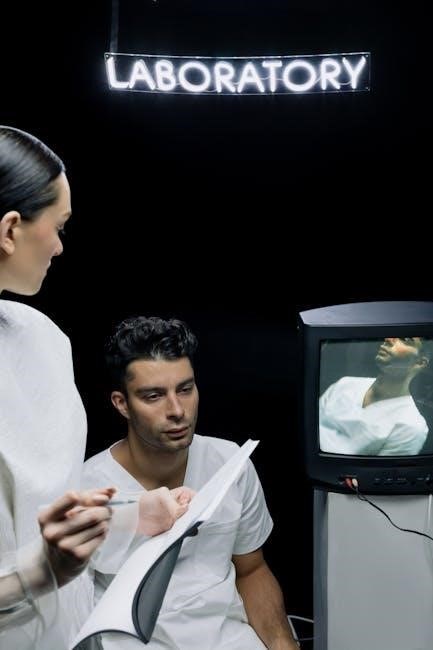
Hospital TV Guide: Enhancing Patient Experience & Well-being
Modern hospital television systems offer crucial communication during emergencies, alongside vital infection control measures and sustainable practices, improving overall patient care and comfort.
Hospital television services have evolved significantly, moving beyond simple entertainment to become integral components of patient care and well-being. Initially a convenience, these systems now deliver critical information, support educational initiatives, and even aid in emergency communication.
Today’s offerings include access to news, diverse entertainment options, and dedicated hospital channels providing vital updates and patient education. The WHO recognizes the importance of robust communication systems, as seen with the Indira Gandhi Memorial Hospital’s designation as a National Influenza Centre.
Furthermore, these services contribute to a more controlled and less anxious environment for patients during their stay, directly impacting their recovery process.

Content Categories Available on Hospital TVs
Diverse content includes news, entertainment, educational programs, and specialized children’s options, catering to varied patient needs and promoting engagement during recovery periods.
News & Current Affairs Programming
Access to real-time news and current affairs provides patients with a vital connection to the outside world, reducing feelings of isolation during their hospital stay. Reliable information sources can alleviate anxiety, particularly during times of global health concerns or local emergencies. Hospitals often prioritize channels offering balanced reporting and factual updates. This programming keeps patients informed about important events, fostering a sense of normalcy and control amidst challenging circumstances. Furthermore, access to news can facilitate conversations with family and medical staff, promoting a more engaged and participatory recovery process.
Entertainment Channels: Movies & Series
A diverse selection of movies and series is paramount for patient distraction and mood elevation. Hospitals typically offer a range of genres, catering to varied preferences, from comedies and dramas to action and documentaries. This entertainment provides a welcome respite from medical procedures and the anxieties associated with illness. On-demand services further enhance choice, allowing patients to select content aligning with their interests. Carefully curated programming can significantly reduce boredom and contribute to a more positive hospital experience, aiding in the healing process and overall well-being.
Educational Programming for Patients
Dedicated educational channels empower patients with knowledge about their conditions, treatments, and post-discharge care. These resources, often including patient education videos, promote informed decision-making and adherence to medical advice. Content can cover topics like medication management, rehabilitation exercises, and preventative health measures. Access to reliable health information reduces anxiety and fosters a sense of control during a vulnerable time. Hospitals increasingly utilize TV systems to deliver personalized educational content, improving patient understanding and ultimately, health outcomes, contributing to a more proactive recovery.
Children’s Programming Options
Recognizing the unique needs of pediatric patients, hospital TV systems offer a diverse range of age-appropriate programming. This includes cartoons, movies, and educational shows designed to distract and comfort young patients during their stay. Dedicated children’s channels help minimize anxiety and fear associated with medical procedures and hospitalization. Providing engaging content creates a more positive and less stressful environment, supporting emotional well-being. Careful content selection ensures suitability and promotes a sense of normalcy, crucial for a child’s recovery and overall hospital experience.
Interactive Features & Services
Modern hospital TVs now integrate on-demand entertainment, vital hospital information channels, and patient education resources, enhancing engagement and providing essential support.
On-Demand Video Services
Expanding beyond traditional channels, on-demand video services are transforming the hospital TV experience. Patients now have access to a vast library of movies, TV shows, and documentaries, offering personalized entertainment choices during their stay. This feature significantly combats boredom and provides a welcome distraction from medical procedures or discomfort.
Furthermore, these systems often include options for audiobooks and music streaming, catering to diverse preferences. The availability of on-demand content empowers patients with a sense of control over their environment, contributing to a more positive and comfortable hospital experience. Accessibility features, like closed captioning, are also increasingly common.
Hospital Information Channels
Dedicated hospital information channels serve as a vital communication hub for patients and their families. These channels broadcast important updates regarding hospital services, visiting hours, and facility-wide announcements. Crucially, during emergencies, these channels become a primary source of real-time information, delivering alerts and guidance to those within the hospital.
Beyond immediate updates, these channels often feature wellness programs, dietary information, and details about available support services. They can also provide educational content related to patient care and recovery, enhancing understanding and promoting engagement. This centralized information source improves the overall patient experience.
Patient Education Videos & Resources
Hospital TV systems increasingly offer a wealth of patient education videos, empowering individuals to actively participate in their healthcare journey. These resources cover a broad spectrum of topics, from understanding medical conditions and treatment plans to post-discharge care instructions and preventative health measures.
Access to this information can significantly reduce patient anxiety and improve adherence to medical advice. Videos often demonstrate proper medication techniques, rehabilitation exercises, and wound care procedures. By providing clear, concise, and accessible educational content, hospitals enhance patient understanding and promote better health outcomes.

Benefits of Hospital TV for Patients
Hospital television provides crucial distraction from discomfort, reduces anxiety during stays, and fosters a sense of control for patients navigating healthcare experiences.
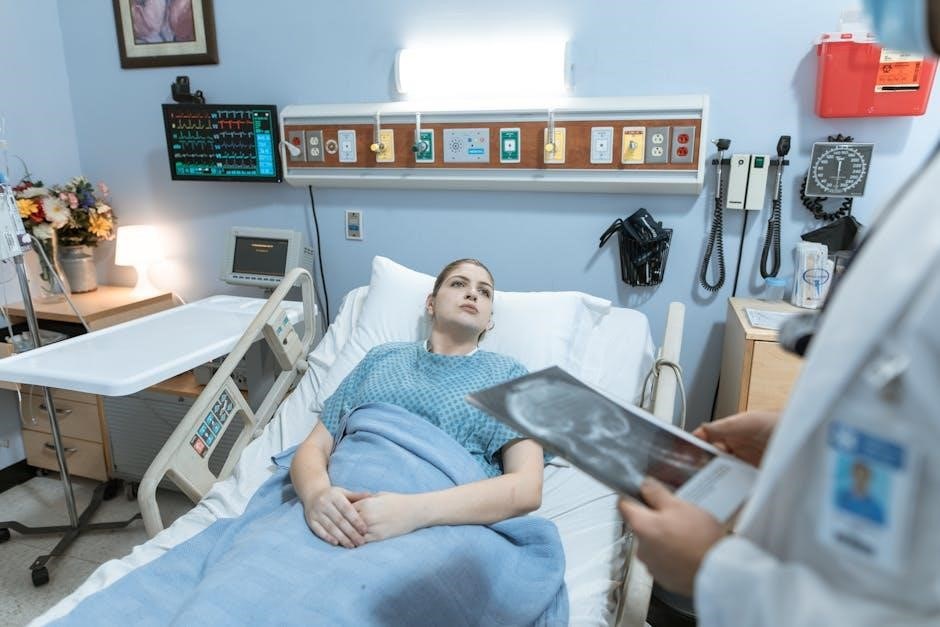
Reducing Anxiety & Boredom
Hospital stays can be incredibly stressful, filled with uncertainty and discomfort. Television serves as a powerful tool to combat these negative emotions. Access to a diverse range of channels – news, entertainment, and educational programming – provides a welcome distraction from anxieties surrounding treatment and recovery.
Boredom, a frequent companion during prolonged hospitalization, can exacerbate feelings of helplessness. Engaging content keeps patients occupied, offering a mental escape and a sense of normalcy. This is particularly important given the potential for mass displacement and limited resources impacting healthcare settings globally, as seen in recent events.
Distraction from Pain & Discomfort
Hospital television offers a non-pharmacological approach to pain management and discomfort relief. Immersive programming – captivating movies, engaging series, or even calming nature documentaries – can divert a patient’s attention away from physical sensations. This distraction doesn’t eliminate pain, but it can significantly reduce its perceived intensity and associated distress.
Considering the challenges faced by healthcare systems, particularly those dealing with weakened infrastructure and limited supplies, accessible entertainment becomes even more vital. Providing a readily available source of distraction supports patient well-being alongside essential medical care, fostering a more positive healing environment.
Promoting a Sense of Control
Hospitalization often involves a loss of autonomy, with patients relinquishing control over daily routines and bodily functions. Hospital TV systems, particularly those with interactive features like on-demand services, can partially restore this sense of control. The ability to choose what to watch, when to watch it, and adjust volume levels empowers patients.

This seemingly small act of selection can significantly impact psychological well-being, reducing feelings of helplessness and fostering a more positive mindset. In environments facing challenges like resource shortages, offering this element of patient agency is a valuable, low-cost intervention.
Hospital TV & Infection Control
Maintaining hygiene is paramount; protocols for remote controls include regular disinfection, disposable covers, and promoting hand hygiene to minimize germ transmission effectively.
Hygiene Protocols for Remote Controls
Remote controls represent a high-touch surface, demanding rigorous hygiene protocols to prevent healthcare-associated infections (HAIs). Frequent and thorough disinfection with approved cleaning agents is essential after each patient use. Hospitals are increasingly implementing strategies like utilizing disposable, single-patient-use remote control covers, significantly reducing cross-contamination risks.
Staff training on proper cleaning procedures and reinforcement of hand hygiene practices before and after remote control interaction are crucial components. Lack of adequate water, sanitation, and hygiene (WASH) impacts IPC best practices, highlighting the importance of readily available cleaning supplies and protocols. Consistent adherence to these measures safeguards both patients and healthcare personnel.
Use of Disposable Covers
Implementing disposable covers for television remote controls is a key strategy in bolstering hospital hygiene protocols and minimizing the spread of healthcare-associated infections (HAIs). These covers create a physical barrier, reducing direct contact with potentially contaminated surfaces. Their single-use nature eliminates the need for complex disinfection procedures between patients, streamlining workflow and enhancing efficiency.
This practice directly addresses concerns about high-touch surfaces and supports broader infection prevention and control (IPC) efforts. While reducing waste is a consideration, the benefits of minimizing infection risk often outweigh the environmental impact, especially when coupled with responsible waste management strategies.
Minimizing Contact & Promoting Hand Hygiene
Reducing patient and staff contact with hospital TV controls is paramount for infection control. Alongside disposable covers, robust hand hygiene protocols are essential. Frequent and thorough handwashing, or the use of alcohol-based hand sanitizers, before and after interacting with the television system significantly lowers the risk of germ transmission.
Education regarding appropriate glove use is also critical; excessive glove use doesn’t guarantee safety and contributes to healthcare waste. Promoting awareness of proper hand hygiene practices and minimizing unnecessary touch points are fundamental to maintaining a safe and sanitary hospital environment.
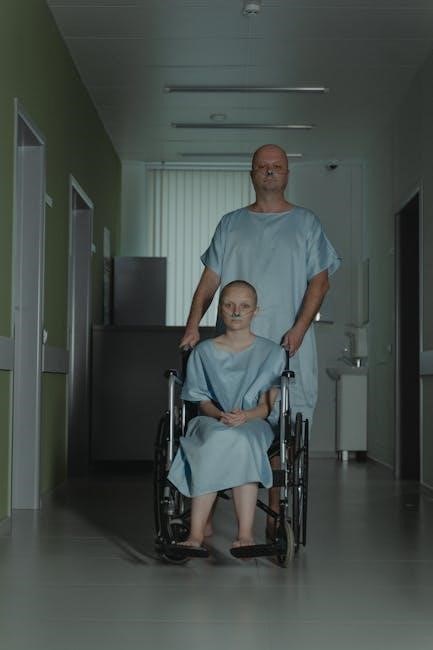
Green Initiatives in Hospital TV Systems
Hospitals are adopting eco-friendly TV systems, focusing on energy efficiency, waste reduction through careful procurement, and integrated facilities for sustainable waste handling;
Energy Efficiency of TV Sets
Modern hospital television systems prioritize energy conservation through the deployment of LED and LCD technologies, significantly reducing power consumption compared to older CRT models. Hospitals are increasingly selecting Energy Star certified televisions, ensuring adherence to stringent energy efficiency guidelines.
Furthermore, power management features, such as automatic brightness adjustment based on ambient light and scheduled shut-off during unoccupied periods, contribute to substantial energy savings. These initiatives align with broader hospital sustainability goals, minimizing environmental impact and reducing operational costs.
The shift towards energy-efficient displays demonstrates a commitment to responsible resource management within the healthcare sector, benefiting both the environment and the hospital’s bottom line.
Waste Reduction Strategies
Hospital TV systems contribute to waste reduction through minimizing disposable components and promoting responsible equipment lifecycle management. Reducing excessive glove use, as highlighted in healthcare waste studies, parallels efforts to decrease reliance on single-use TV accessories.
Strategies include durable remote controls designed for repeated disinfection, centralized system updates reducing paper manuals, and responsible e-waste recycling programs for decommissioned televisions. Hospitals are adopting integrated facilities for waste handling, aligning with green hospital programs.
These initiatives lessen the environmental burden and support sustainable practices, demonstrating a commitment to minimizing healthcare’s ecological footprint.
Sustainable Procurement of Equipment
Hospitals are increasingly prioritizing sustainable procurement when selecting TV systems, aligning with broader “green hospital” initiatives. This involves choosing energy-efficient television sets with extended lifespans, reducing the frequency of replacements and associated e-waste.
Vendors are evaluated based on their environmental policies, including responsible manufacturing processes and material sourcing. Preference is given to equipment with certifications demonstrating adherence to sustainability standards.
Lifecycle assessments are conducted to minimize the overall environmental impact, from production to disposal, fostering a circular economy approach within hospital operations.

Emergency Management & Hospital TV
Hospital TV systems provide critical emergency alerts and maintain communication during outages, supporting operational continuity and ensuring patient safety in crisis situations.
Emergency Alerts & Communication
Hospital television systems are increasingly integrated into emergency management protocols, serving as a vital communication channel during critical incidents. These systems can rapidly disseminate crucial information to patients and staff, including evacuation procedures, lockdown notifications, and updates on the evolving situation. Beyond basic alerts, TVs can display real-time updates from hospital administration, ensuring transparency and reducing anxiety.
Effective emergency communication via TV minimizes confusion and facilitates a coordinated response. The ability to broadcast clear, concise instructions directly to patient rooms is invaluable, particularly for those with limited mobility or language barriers. This proactive approach enhances overall hospital safety and preparedness.
Maintaining Service During Outages
Ensuring uninterrupted hospital television service, even during power outages or system failures, is paramount for patient well-being and emergency communication. Hospitals are investing in robust backup power systems, including generators and Uninterruptible Power Supplies (UPS), specifically to maintain critical infrastructure like TV systems. Redundancy in network architecture is also crucial, with multiple pathways for signal delivery.
Prioritizing essential channels – emergency broadcasts and hospital information – during outages ensures patients receive vital updates. Furthermore, exploring satellite-based TV options can provide a resilient alternative when terrestrial signals are disrupted, bolstering overall system reliability and patient care continuity.
Supporting Hospital Operations
Hospital television systems extend beyond patient entertainment, actively supporting crucial operational functions. These systems facilitate rapid dissemination of critical information to staff during emergencies, enhancing response times and coordination. Integrated hospital information channels deliver updates on bed availability, staffing changes, and procedural guidelines.
Furthermore, TV screens can display real-time data from patient monitoring systems, aiding clinicians in remote observation. The ability to broadcast internal communications directly to patient rooms reduces reliance on pagers and phone calls, streamlining workflows and improving overall hospital efficiency.
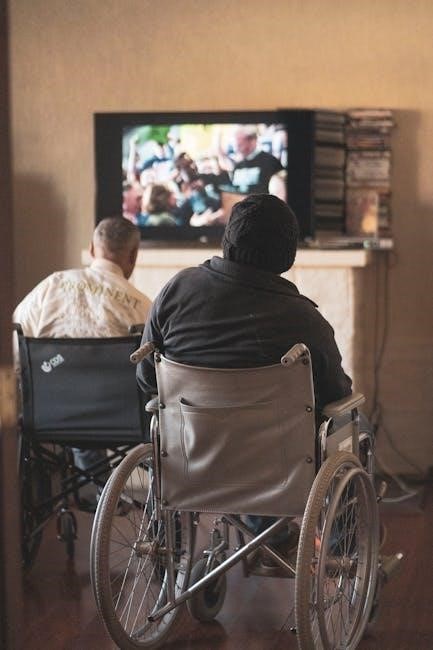
Global Hospital TV Standards & Recognition
WHO guidelines emphasize integrating hospital TV with influenza surveillance, like the Maldives’ IGMH, ensuring systems support public health initiatives and accreditation standards.
WHO Guidelines & Best Practices
The World Health Organization (WHO) advocates for integrating hospital television systems into broader public health strategies. This includes utilizing channels for disseminating critical health information, particularly during outbreaks like influenza, as demonstrated by the Indira Gandhi Memorial Hospital (IGMH) in the Maldives.
Best practices emphasize clear emergency communication protocols delivered via TV, alongside promoting infection prevention and control messaging. WHO stresses the importance of equitable access to information for both patients and healthcare staff, ensuring dignity and upholding WASH (Water, Sanitation, and Hygiene) standards within healthcare settings;
National Influenza Centre Integration
Hospital TV systems can serve as a vital communication link for National Influenza Centres (NICs), like the IGMH in the Maldives recognized by the WHO. These centres utilize the GISRS (Global Influenza Surveillance and Response System) and can broadcast crucial public health alerts and preventative measures directly to patients.
Integrating NIC updates into hospital TV programming enhances awareness of influenza strains, vaccination campaigns, and hygiene protocols. This proactive approach supports early detection, rapid response, and minimizes the spread of infection within the hospital and the wider community, bolstering overall public health preparedness.
Hospital Accreditation & TV Services
Robust hospital television services are increasingly viewed as a component of comprehensive patient care, influencing accreditation standards. Accrediting bodies assess a hospital’s commitment to patient well-being, and accessible, informative, and engaging TV options contribute positively to this evaluation.
Demonstrating adherence to WHO guidelines, implementing effective infection control protocols for TV equipment, and providing diverse content – including patient education – can enhance a hospital’s accreditation score. A well-managed TV system signals a dedication to holistic care, impacting patient satisfaction and overall hospital reputation.